 The Antitrust Attorney Blog


Author: Jarod Bona
It is illegal under the antitrust laws for competitors to agree not to steal each others’ employees. For more about that, you can read our article about how the antitrust laws encourage stealing. Yes, you read that correctly.
But this article isn’t about stealing or even agreeing not to steal employees. Instead, it is about one of our favorite topics: Suing the government under the antitrust laws and the increasingly narrow state-action immunity from antitrust liability.
The FTC and DOJ Antitrust Division can affect antitrust policy beyond just the cases that involve those agencies. They will often file amicus briefs, or in this case, a Statement of Interest of the United States of America. You can read here about how these type of filings have resulted in the FTC seeming like a libertarian government agency.
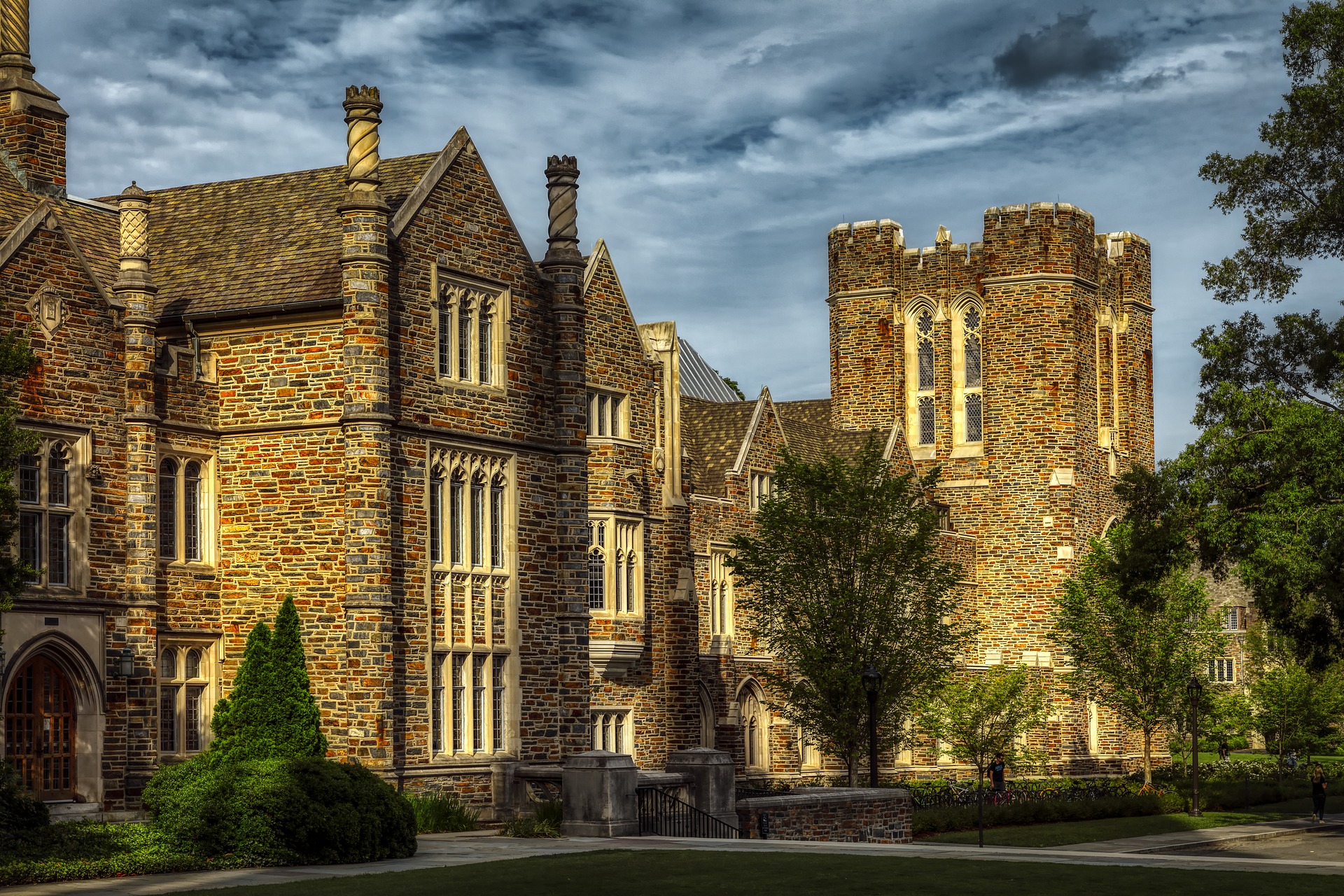
In Danielle Seaman v. Duke University, a class action alleging that Duke and the University of North Carolina had a no-poaching agreement in violation of the Sherman Antitrust Act, the Department of Justice filed a Statement of Interest on March 7, 2019.
One of Duke’s arguments in defense of the lawsuit is that it is exempt from antitrust liability because it is a state entity. This is called state-action immunity. We write about this doctrine constantly at The Antitrust Attorney Blog.
Anyway, Duke argued that it is Ipso facto exempt from the antitrust laws because it is a “sovereign representative of the state” that is automatically exempt under the Parker doctrine (which is essentially the state-action immunity doctrine). Notably, this argument is flawed already, as the doctrine really only supports automatic exemption for the state acting directly as sovereign, which is typically limited to the state acting in its legislative capacity, or its Supreme Court acting as a legislator (which sometimes happens).
But the Department of Justice, in addition, argued that state-action immunity—or at least Ipso facto immunity—does not apply because Duke University is acting as a market participant, not as a regulator. The DOJ supported this argument with some familiar case law, including the landmark NC Dental case.
It seems that the DOJ market-participant argument is limited here to the point that Duke cannot be automatically exempt from antitrust liability because it is a market participant rather than a regulator, for purposes of the anticompetitive conduct.
But the same reasoning that DOJ makes and the same cases that DOJ cites support a broader market-participant exception to state-action immunity overall. This is an issue that the US Supreme Court expressly left open in its Phoebe Putney decision.
It is a short step from the argument that DOJ makes here to a straightforward market-participant exception to state-action immunity.